Will literary awards follow the Oscar horror conversion?
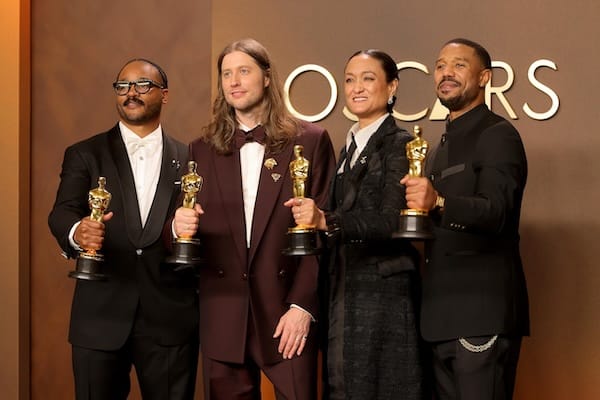
It's long been a beef amongst horror fans that awards, and the Oscars in particular, tend to snub horror movies. Despite great performances, original scripts and imaginative direction, horror as nearly always ignored in favour of period pieces, or as Kate Winslet says in Extras, you're guaranteed an Oscar if you do a film about the Holocaust.
But that has seen a change this year with Sinners, Weapons, and Frankenstein all grabbing awards. These are all remarkable films, and maybe that is sufficient - you can't watch any of these and dismiss them as B-movie fare. They are (clears throat) cinema.
Horror fiction has probably suffered more than film with regards to recognition. It's generally regarded as inferior, and not for serious people. I see this sometimes in the reaction from people when I tell them that I, an Emeritus Professor, write horror. There's a nervous little chuckle as if I have confessed to collecting Pokemon cards or something (I'm not dissing that by the way). It's viewed as, well, a bit immature.
I understand that to a degree. I admit I enjoy a good zombie movie or book, and while you can make some very good claims for social commentary in Romero movies, I wouldn't say a zombie novel is going to stand up in comparison with, say, Sally Rooney for use of the language or insight into the (in)human condition.
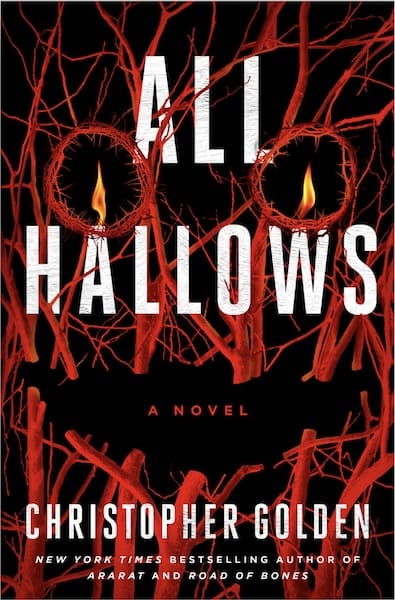
But I've also read a lot of literary fiction that people rave about and found it rather wanting. The prose itself is mediocre, but it fits into a zeitgeist or gains the attention of an influential critic. Genuinely, the best Stephen King writing is superior to much of this, but would never be considered (not that he is bothered in the least).
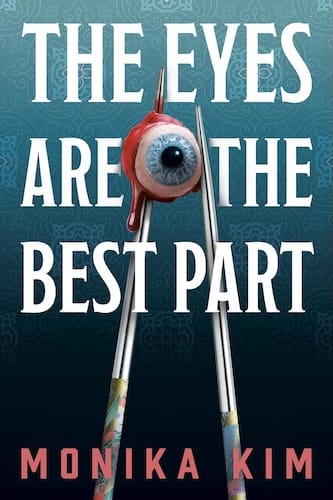
One area that has seen some traction with critics beyond the horror sphere seems to cannibalism. Particularly from women authors, with works such as The Lamb and The Eyes are the Best Part, both gaining a wider audience, despite both being pretty fucked up. What both of these novels do very effectively is immerse the reader in the world of a dislocated, but still relatable character, where the cannibalism horror becomes almost secondary to the domestic horrors they are enduring.
Using horror as a conduit to explore any number of issues is not exactly new. Indeed, it is arguably the whole point of horror. But maybe with the wider recognition of horror movies that might lead some to finally recognise what horror fans have always known. Mind you, that type of recognition can be a double edged sword. Maybe it's better to remain on the outside with all the freedom that affords.